
Case Study: Bridging Cultural Gaps in Engineering Projects
Understanding the Challenge of Cultural Gaps
In today's globalized world, engineering projects often span multiple countries and cultures. This brings a unique set of challenges, as cultural differences can lead to misunderstandings and miscommunications. Successfully bridging these gaps is crucial for the seamless execution of projects.
Engineering teams must be equipped to handle diverse cultural perspectives. This involves recognizing different communication styles, work ethics, and decision-making processes. Addressing these differences can enhance collaboration and innovation.

The Importance of Communication
Effective communication is the cornerstone of any successful engineering project. When cultural differences are present, the potential for miscommunication increases. Teams should prioritize clear and concise communication, ensuring that all members understand project goals and expectations.
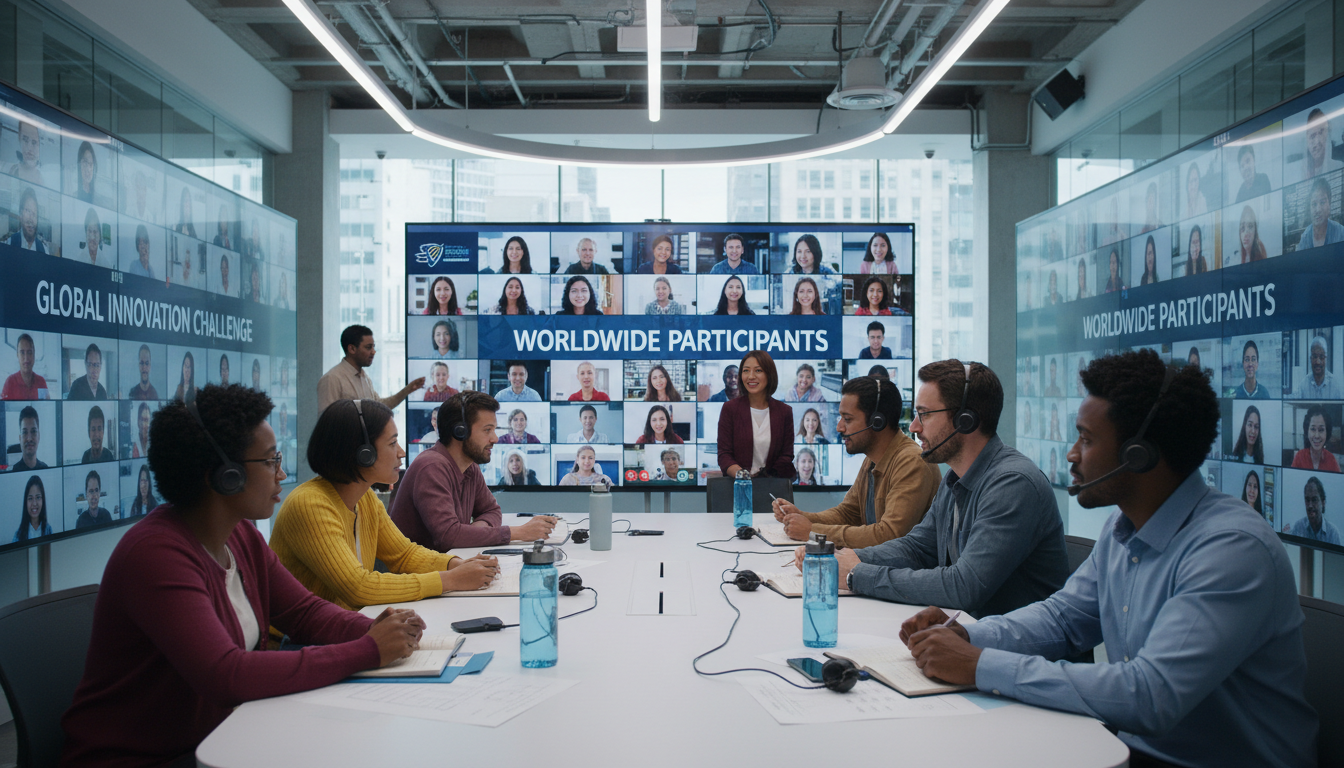
Regular meetings and updates can help bridge cultural divides. Utilizing technology, such as video conferencing and collaborative platforms, can also facilitate better communication across different time zones and regions.
Building Cultural Awareness
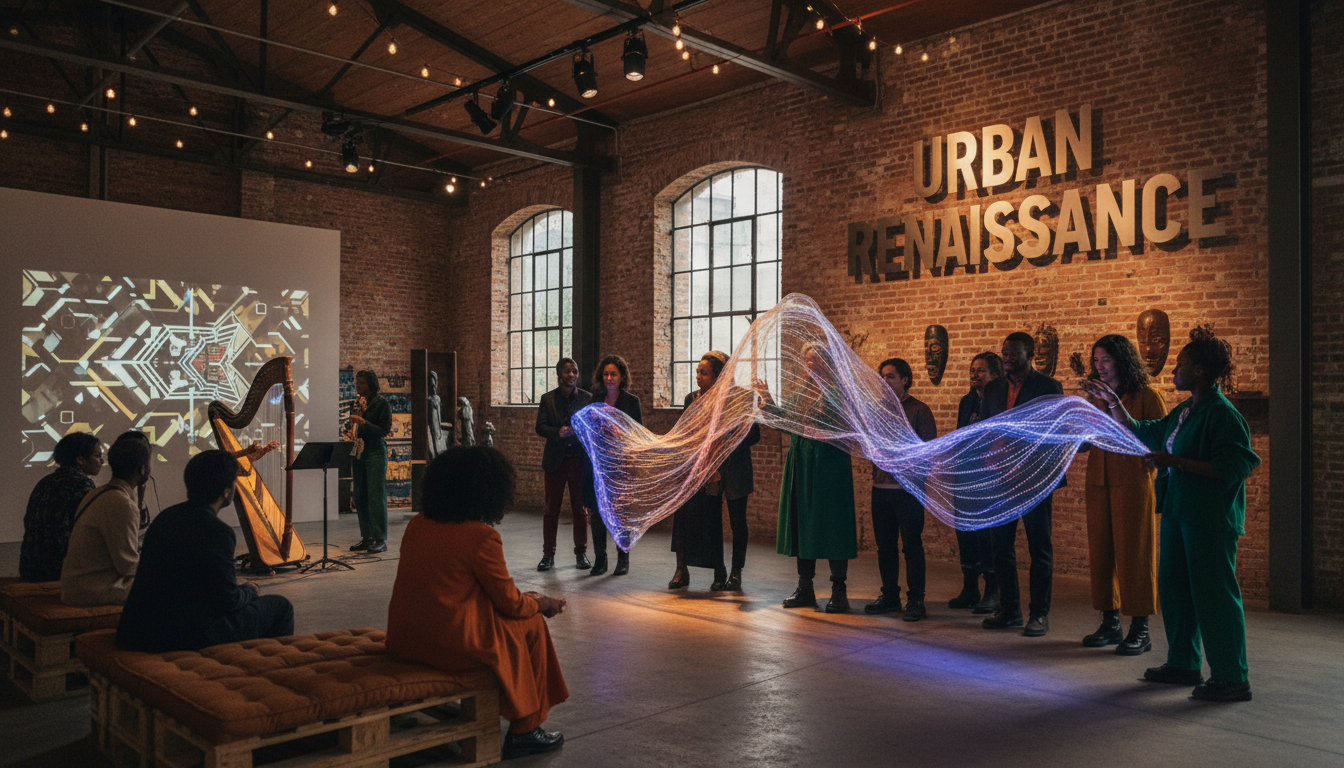
Cultural awareness is essential for bridging cultural gaps in engineering projects. Teams should invest time in learning about the cultures they are working with. This includes understanding local customs, traditions, and business practices.
Workshops and training sessions on cultural sensitivity can be beneficial. These initiatives not only improve team dynamics but also foster a more inclusive and respectful work environment.
Adapting Project Management Techniques
Project management techniques may need to be adapted to accommodate cultural differences. This could involve adjusting timelines, redefining roles, or modifying communication protocols to better suit the team’s cultural makeup.
Flexibility in project management can lead to more efficient problem-solving and a greater ability to leverage diverse perspectives for innovative solutions.
Case Study: A Successful Example
One successful case study involved an engineering firm that worked on a large infrastructure project across Europe and Asia. By implementing cultural training and flexible communication strategies, the firm was able to enhance collaboration and meet project deadlines efficiently.
The team adopted a blended approach, combining in-person meetings with virtual collaboration tools. This ensured that all team members, regardless of location, were aligned with the project’s goals and timeline.

Conclusion: The Path Forward
Bridging cultural gaps in engineering projects is not without its challenges, but with deliberate strategies and an open mindset, these obstacles can be overcome. Fostering cultural awareness and adopting flexible communication and management techniques are key steps towards success.
As the world continues to globalize, engineering teams that prioritize cultural understanding and adaptability will lead the way in innovation and efficiency.